


























For weeks, Celtic Football Club, its supporters and its achievements have been subjected to relentless scrutiny, accusation and controversy.
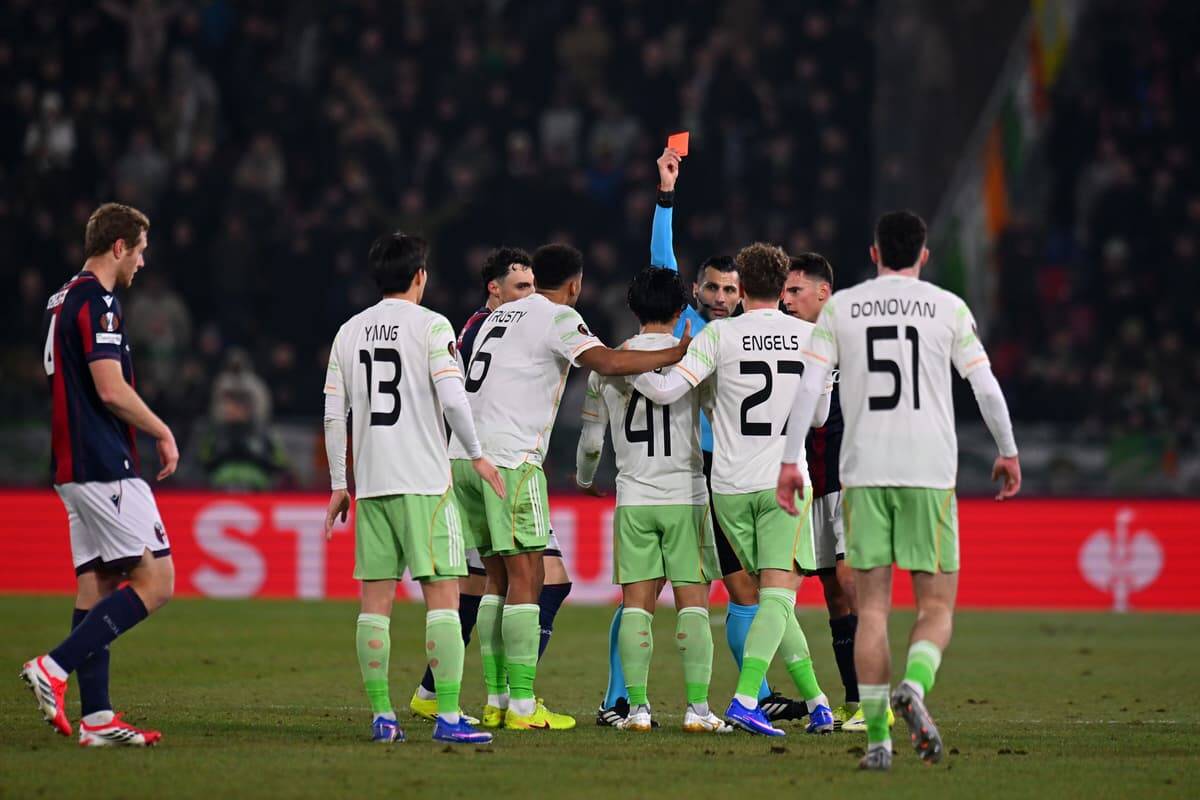
From the Motherwell VAR decision to the events surrounding the title celebrations at Celtic Park, a significant section of the Scottish football media devoted itself almost entirely to discussing Celtic through the lens of scandal rather than success.
The facts have now emerged.
The VAR audio has been released.
The authorities have spoken.
Police Scotland have spoken.
Many of the claims, theories and accusations that dominated headlines have either collapsed entirely or proven far less dramatic than initially portrayed.
Yet one question remains unanswered:
Where was Celtic Football Club?
More specifically, where was the Celtic board?
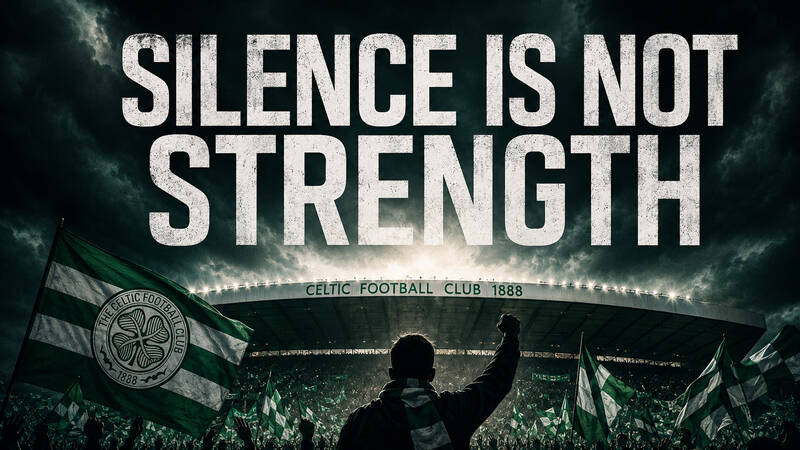
For years supporters have watched the club adopt a policy of silence whenever Celtic becomes the target of sustained criticism. The apparent strategy has always been to stay above the noise, avoid confrontation and allow events to run their course.
But there comes a point where silence stops looking dignified and starts looking like weakness.
No supporter expects Celtic to respond to every newspaper column, radio debate or television outburst. That would be impossible.
What supporters do expect is leadership when the reputation of the club and its fanbase is repeatedly being called into question.
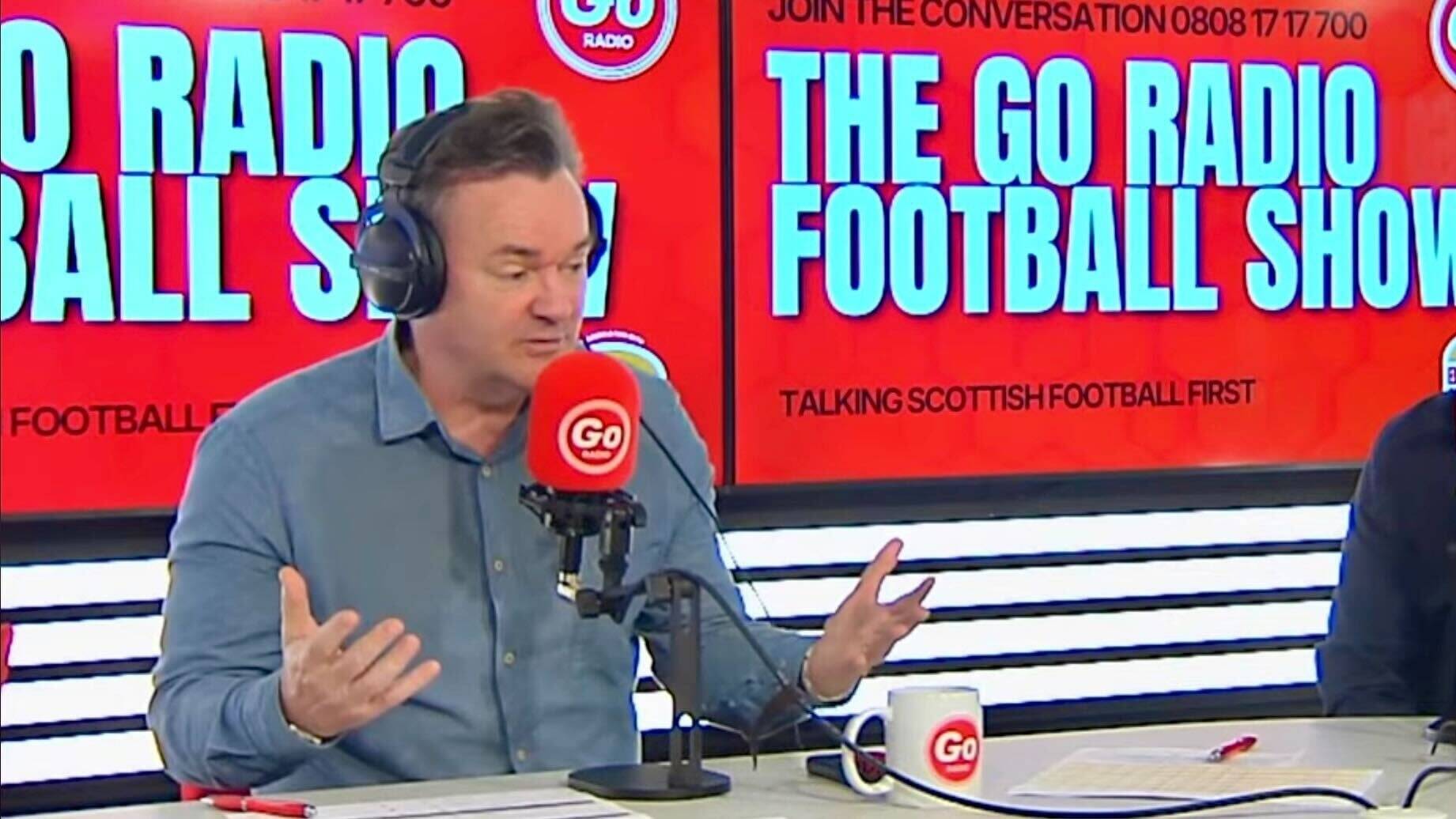
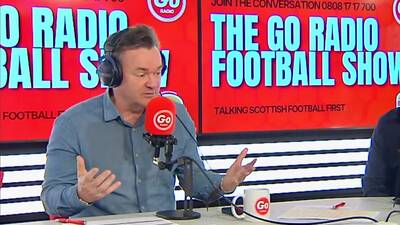
For almost two weeks, pundits, broadcasters and journalists dominated the narrative.
Claims were made.
Allegations were amplified.
Speculation was presented as certainty.
Meanwhile Celtic, the institution supposedly at the centre of the controversy, said virtually nothing.
The result was predictable.
The loudest voices controlled the conversation.
Supporters were left defending the club themselves while executives remained hidden behind closed doors.
That simply should not be acceptable for a football club of Celtic’s size and stature.
A club that proudly promotes its values, its history and its supporters should be prepared to defend them when necessary.
The board should have publicly welcomed the release of the VAR audio and called for measured discussion based on evidence rather than speculation.
The board should have defended the integrity of Celtic players and staff when suggestions of wrongdoing were being circulated.
The board should have reminded commentators that criticism is legitimate, but accusations require proof.
Most importantly, the board should have defended the reputation of Celtic supporters.
The overwhelming majority of Celtic fans are law-abiding supporters who follow their club across Scotland and Europe with passion and pride. Yet too often entire sections of the support are portrayed negatively because of the actions of a tiny minority.
A strong statement from the club could have acknowledged the mistakes that occurred during celebrations while also challenging the narrative that sought to paint an entire support with the same brush.
Instead, silence prevailed.
That silence becomes even harder for supporters to understand when viewed alongside the club’s relationship with fan media.
Many fans continue to ask why Celtic appear willing to give access and legitimacy to mainstream outlets that regularly criticise the club while simultaneously maintaining distance from independent Celtic platforms that exist solely to support and promote Celtic.
Supporters see journalists and broadcasters who spend much of their time attacking the club receiving access, interviews and cooperation.
Meanwhile respected fan-led outlets such as A Celtic State of Mind and others often find themselves treated as outsiders.
That contradiction frustrates many supporters.
Independent fan media has become one of the most important voices within modern football. These platforms provide analysis, debate and discussion from people who genuinely care about the club’s success. They engage directly with supporters every day and often understand the mood of the fanbase far better than traditional media organisations.
Nobody is suggesting fan media should replace mainstream journalism.
But supporters are entitled to ask why the club appears more comfortable engaging with critics than with many of its own supporters.
The reality is that Celtic’s communication strategy increasingly feels outdated.
Football has changed.
Media has changed.
Supporter engagement has changed.
The old approach of saying nothing and hoping controversies disappear no longer works in a world where narratives can spread globally within minutes.
Silence creates a vacuum.
And vacuums are always filled by someone else.
Over the last fortnight, that vacuum was filled by pundits, broadcasters and journalists whose versions of events often went unchallenged for days.
A modern football club should not allow others to define its story.
Celtic should be leading the conversation, not reacting to it.
Supporters are not demanding confrontation.
They are demanding representation.
They want to know that when the club, its achievements and its supporters come under sustained attack, somebody inside Celtic Park is prepared to stand up and defend them.
Because if Celtic’s board will not speak for the club, supporters are left wondering who exactly will.
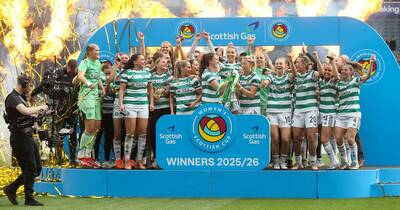
The league title was won on the pitch.
The double was earned over an entire season.
The facts surrounding the recent controversies have now emerged.
Yet once again it has been supporters who have done most of the defending.
That should concern every member of the Celtic boardroom.
The next few months will define Celtic’s future both on and off the pitch.
A new manager may arrive.
A major squad rebuild may begin.
Champions League qualification awaits.
But before any of that, the board should remember one simple truth:
A football club’s greatest asset is not its balance sheet.
It is its supporters.
And supporters deserve to know that when Celtic is under fire, the people running the club are willing to stand beside them rather than remain silent.