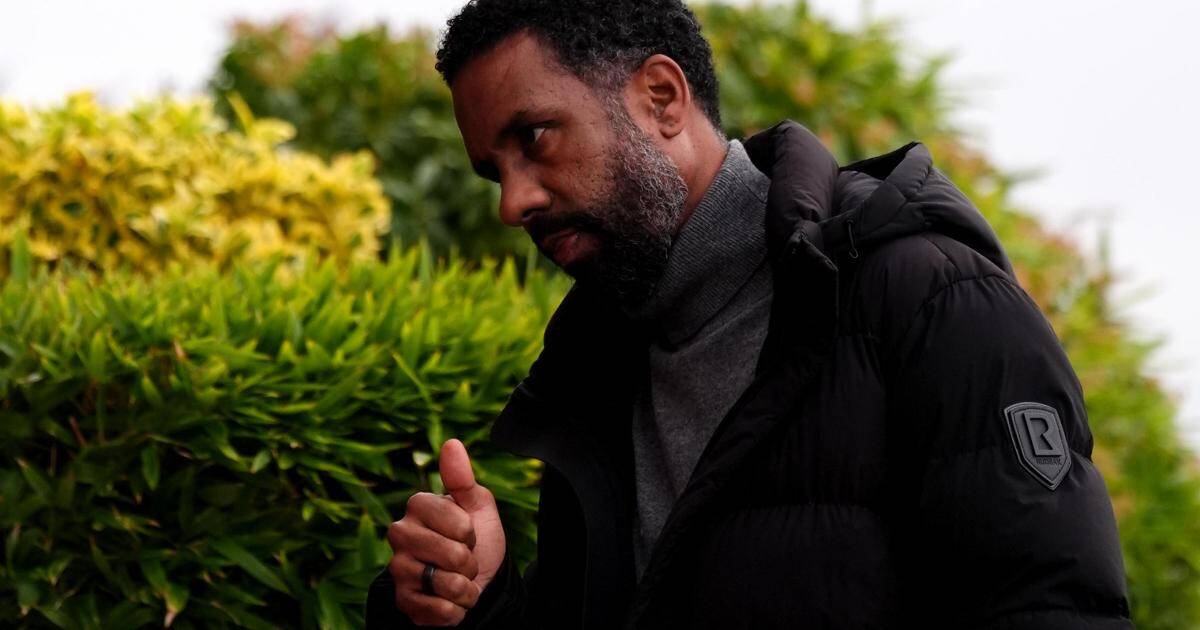






















Reports claim Celtic have tried to keep Shaun Maloney and Mark Fotheringham on reduced terms under Martin O’Neill.
- Maloney and Fotheringham were part of the staff that delivered the league title and Scottish Cup.
- Martin O’Neill has recently been appointed Celtic manager.
- Celtic face a recruitment drive, squad planning and European qualifiers.
- Michael Nicholson and the board have made limited public communication on the situation.
- No one outside the negotiations knows every detail of the talks.
If reports are accurate that Celtic have attempted to negotiate reduced terms with Shaun Maloney and Mark Fotheringham while seeking to retain them as part of Martin O’Neill’s coaching staff, then supporters are entitled to ask a very simple question:
What exactly is the reward for success at Celtic Football Club?
Because from the outside looking in, the message appears completely backwards.
Maloney and Fotheringham were not bit-part contributors to Celtic’s season. They were central figures in a coaching team that helped steer the club through one of its most turbulent campaigns in recent memory.
When instability threatened to derail the season, they stepped forward.
When confidence needed rebuilt, they helped rebuild it.
When Celtic required leadership, organisation and direction on the training ground, they delivered it.
The outcome speaks for itself.
A league title.
A Scottish Cup.
A domestic Double.
Yet instead of hearing stories about improved contracts and long-term commitments, supporters are reading reports of difficult negotiations and potential pay reductions.
It makes little sense.
Football is ultimately a results-driven business.
When players perform, they are rewarded.
When managers succeed, they are rewarded.
When coaching staff help deliver silverware, they should be rewarded too.
That is how ambitious football clubs operate.
The concern for many supporters is that this feels like a familiar story.
For years, Celtic supporters have watched key football personnel deliver success only for questions to emerge regarding investment, backing and long-term planning.
Whether it was Brendan Rodgers‘ frustrations during his first spell at the club or the challenges Ange Postecoglou faced while building a dominant side, there has often been a perception that football success is taken for granted rather than built upon.
Instead of strengthening from positions of success, Celtic too often appear content to do the minimum required before expecting the same people to deliver maximum results.
It is a dangerous approach.
Because football is a small world.
Reputations matter.
People talk.
Coaches talk.
Agents talk.
Managers talk.
If Celtic develops a reputation for undervaluing the people responsible for success, that reputation will eventually spread far beyond Glasgow.
The timing also raises concerns.
Martin O’Neill has only recently been appointed as manager.
A huge recruitment drive lies ahead.
Squad planning needs accelerated.
European qualifiers are approaching rapidly.
This should be a period of stability and preparation.
Instead, unnecessary uncertainty appears to have been introduced around members of the coaching team O’Neill knows and trusts.
That serves nobody’s interests.
Most supporters understand that football clubs must operate responsibly.
Nobody is suggesting reckless spending.
Nobody is demanding blank cheques.
But there is a significant difference between responsible financial management and creating the impression that successful staff are being asked to accept less after delivering more.
The latter sends entirely the wrong message.
What makes the situation even more frustrating is the silence that often surrounds these issues.
Supporters rarely hear directly from Michael Nicholson.
Communication from the board remains limited.
As a result, speculation fills the vacuum and frustration grows.
At a club the size of Celtic, transparency matters.
Supporters invest enormous amounts of money, time and emotion into the club.
They deserve confidence that those responsible for football success are being valued appropriately.
No one outside the negotiations knows every detail.
Reports can sometimes be incomplete.
Discussions can often be more complicated than headlines suggest.
But if there is any truth to suggestions that Maloney and Fotheringham have been offered reduced terms after helping deliver a Double, then the board needs to reflect seriously on the message that sends.
Rewarding success should not be controversial.
It should be standard practice.
The board has spent years asking supporters to trust its judgement.
Now is the time to demonstrate that trust is justified.
Because successful football clubs do not weaken winning teams behind the scenes.
They strengthen them.
Shaun Maloney and Mark Fotheringham helped deliver trophies.
If Celtic want continued success under Martin O’Neill, the priority should be keeping proven people in place, not creating uncertainty around their futures.
The board now faces a straightforward choice.
Recognise achievement and secure the coaching team the manager wants.
Or risk creating another entirely avoidable problem at the worst possible time.
Supporters have seen this film before.
They know how it ends.
The smart move is to get it sorted quickly, show ambition, and demonstrate that success at Celtic is rewarded rather than taken for granted.