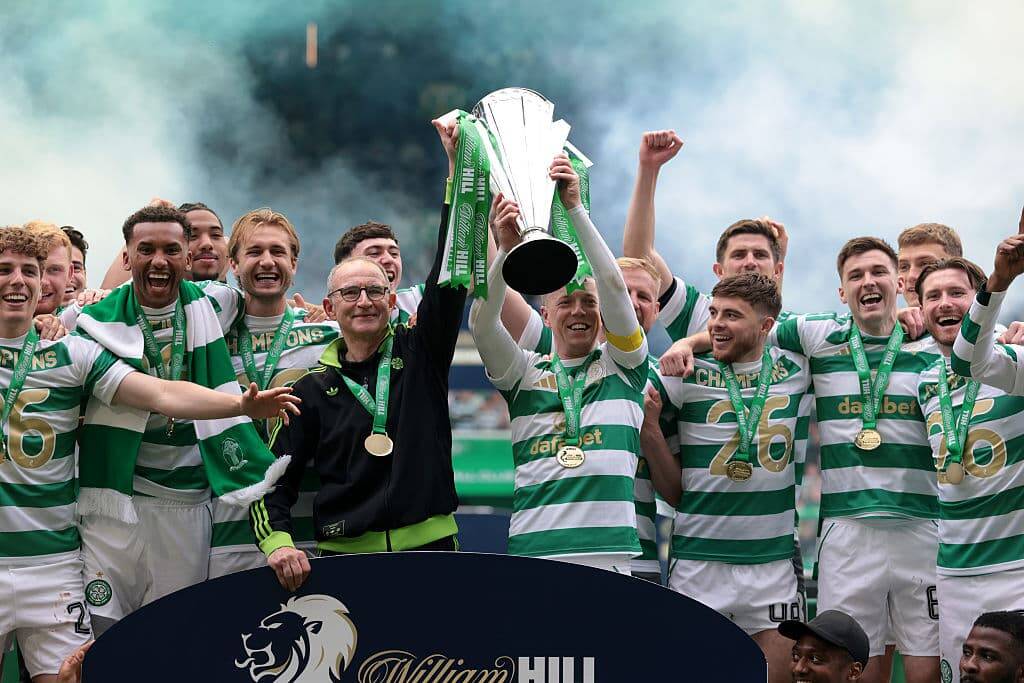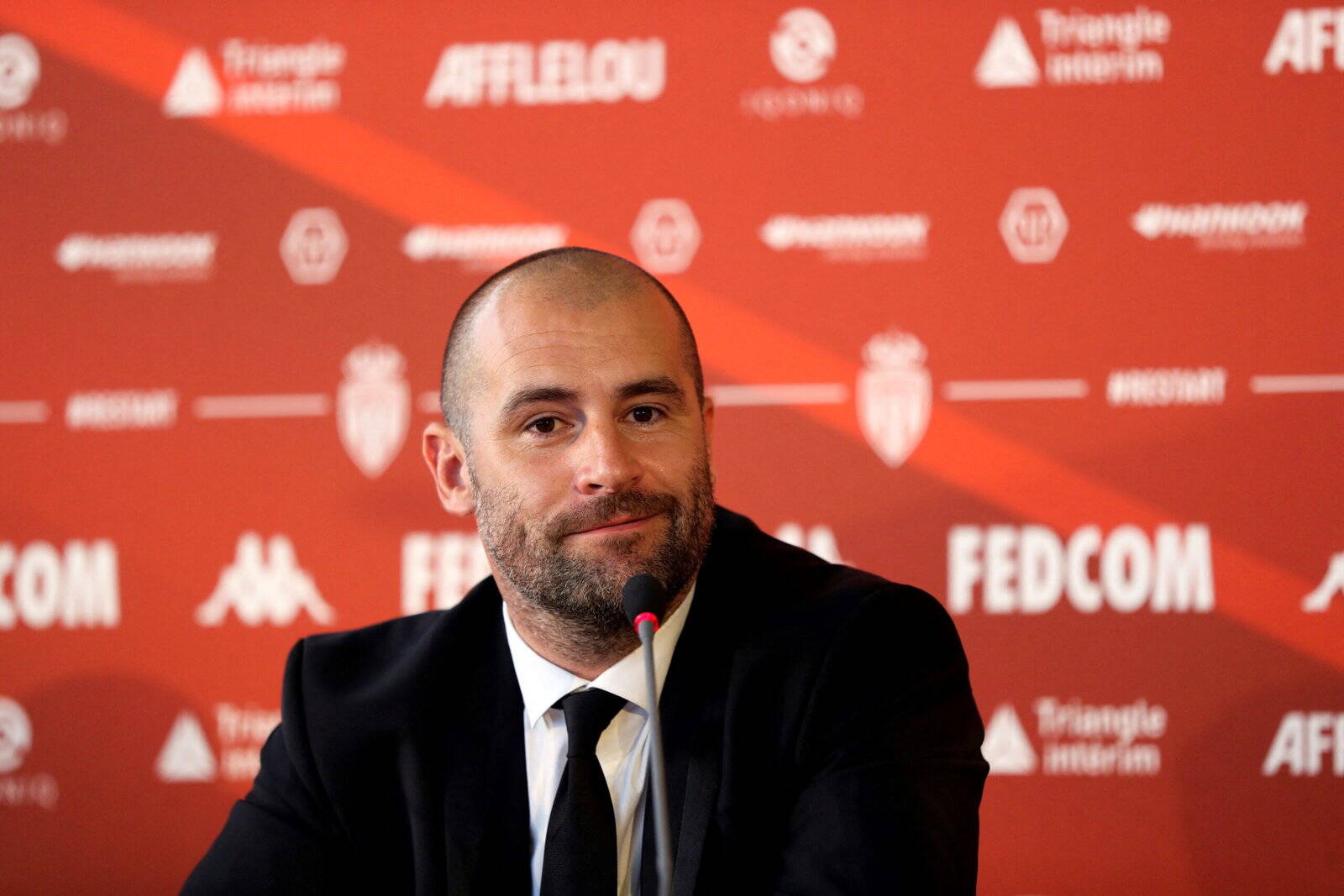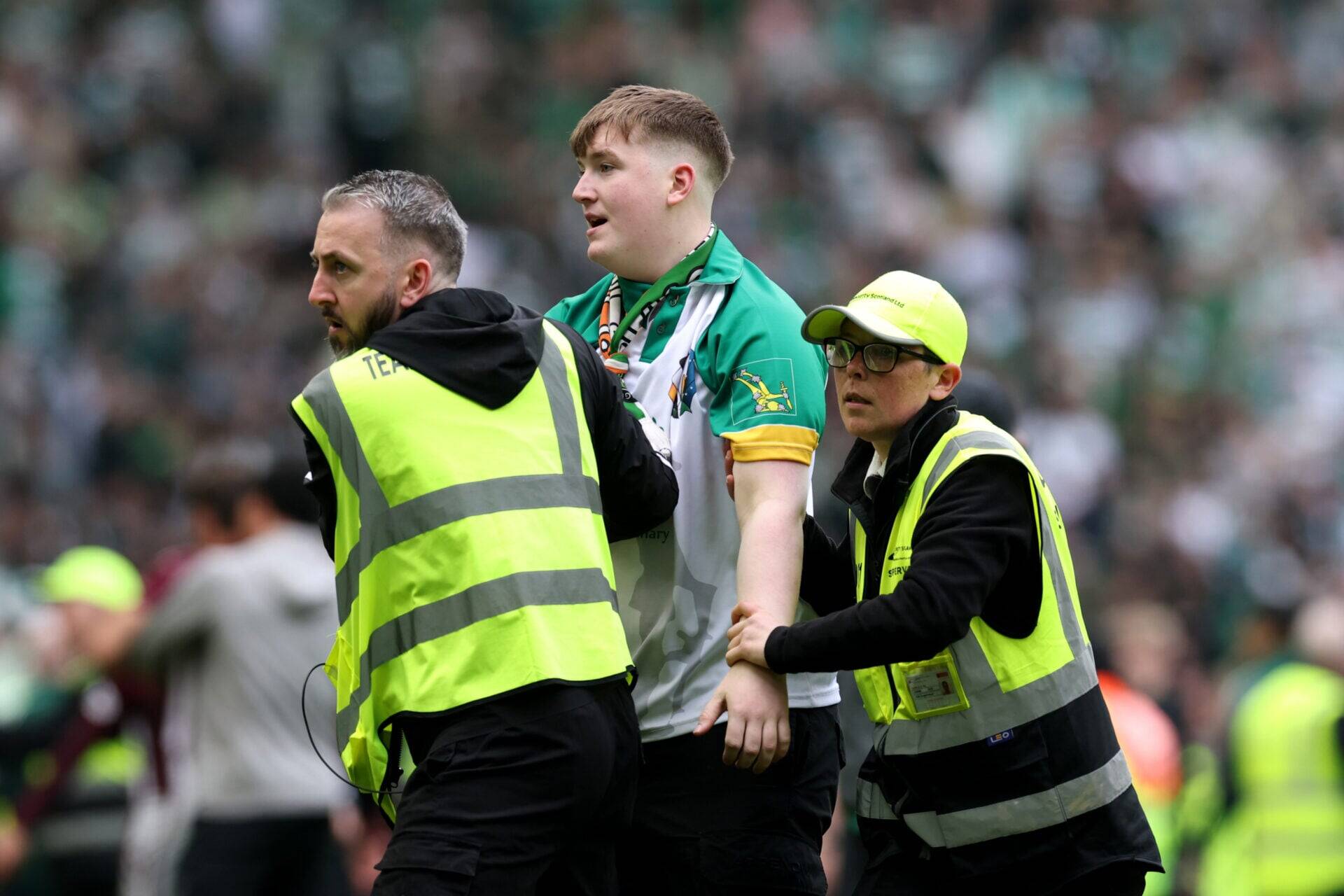

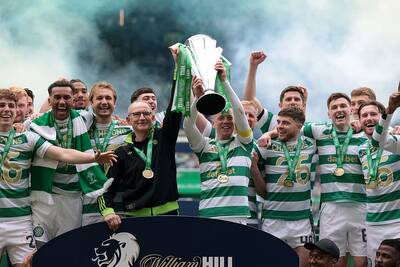




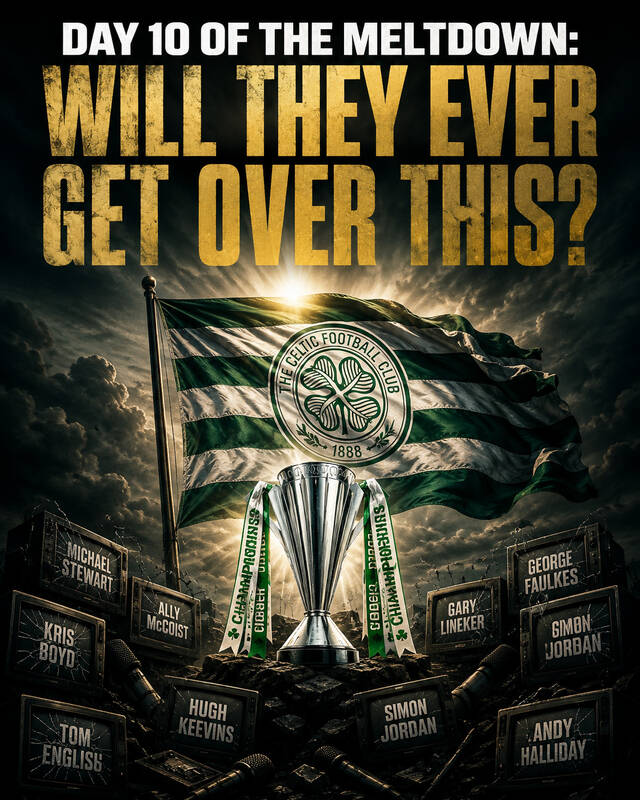
Celtic secured the league title on 16 May, with debate over celebrations and media reaction still running ten days later.
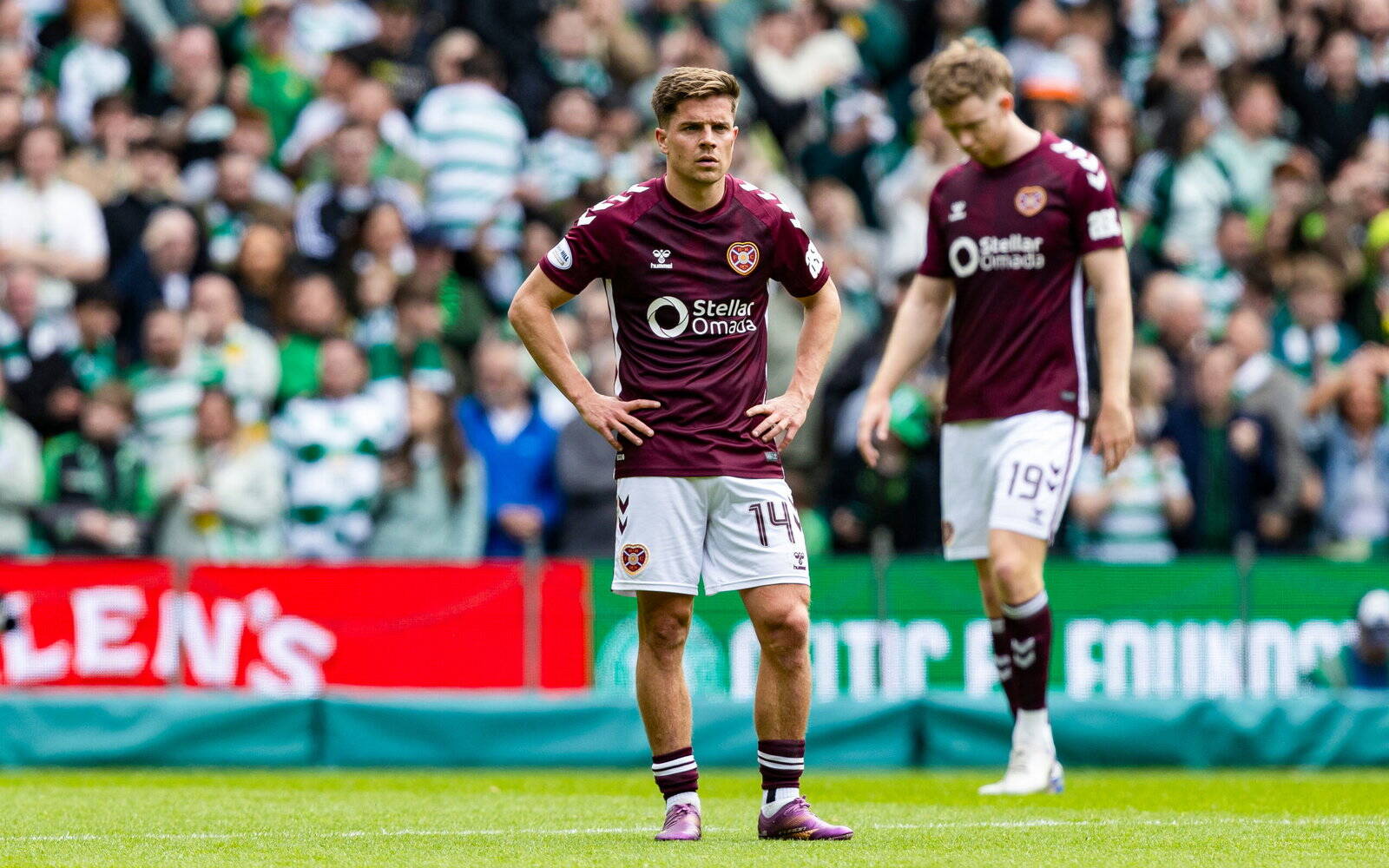
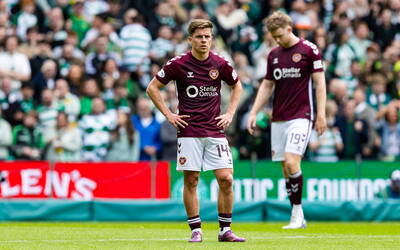
- The title-winning match took place at Celtic Park.
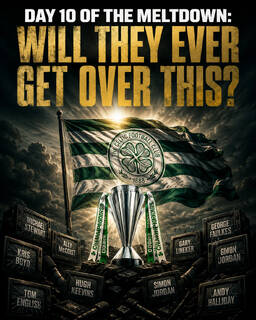
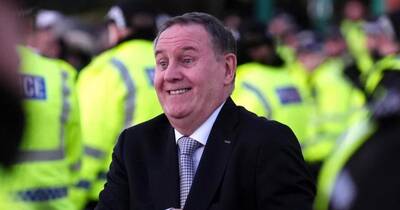
- George Foulkes suggested Celtic should hand over the title “because it’s the right thing to do”.
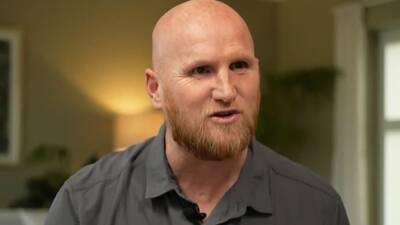
- Michael Stewart commented on the fallout from Celtic’s celebrations.
- Tom English, Hugh Keevins, Keith Jackson and Andy Halliday joined the debate.
- Gary Lineker and Simon Jordan also commented from south of the border.
Ten days.
Ten full days since Celtic FC secured another league title on May 16th – and instead of acknowledging the champions, Scotland’s football media has spent nearly two weeks manufacturing outrage, fuelling hysteria and attempting to place an asterisk beside a title won on the pitch over the course of a full season.
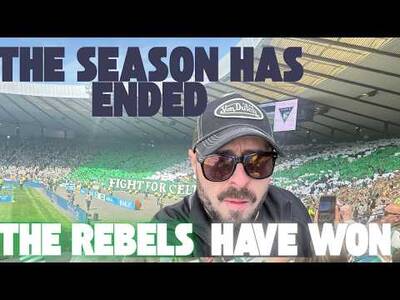
The Scottish season is over.
Yet Celtic still dominates the headlines – not because of football, but because too many pundits, broadcasters and former football figures cannot emotionally process Celtic continuing to win.
Day 10 of the meltdown – and they still cannot let it go.
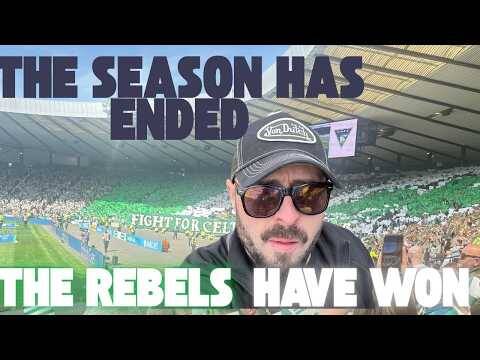
Which is exactly why Celtic fan media has become more important than ever.
For years, supporters were expected to sit quietly while mainstream broadcasters, newspapers and radio stations shaped the narrative around Celtic with little challenge or accountability. But that has changed. Independent Celtic podcasts, fan channels, YouTube platforms, writers and supporter media have become essential because they are now among the only places where Celtic supporters feel their club and support are represented fairly.
While sections of the mainstream media chase outrage, fan media has challenged exaggeration, selective reporting and blatant double standards. It has given supporters a voice in a media landscape where too many pundits appear more interested in diminishing Celtic than analysing them honestly.
Because if Celtic supporters do not defend the club and challenge false narratives, who will?
The reaction to the title win showed exactly why that fan media matters.
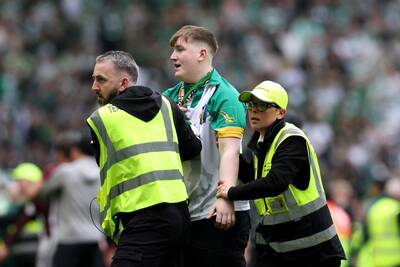
What should have been straightforward recognition of another championship immediately became a coordinated attempt to turn Celtic into the villain of Scottish football. Within hours of the title-winning game at Celtic Park, the narrative had already been written.
Not celebration. Not analysis. Not respect for the champions.
Instead: “assaults”, bans, missing minutes, abandoned games, punishments and moral outrage.
The speed and aggression with which sections of the media moved to sensationalise the occasion was extraordinary – but entirely predictable. Because when Celtic are involved, normal standards disappear.
Every incident becomes a national scandal. Every accusation becomes front-page news. Every Celtic success must apparently come attached to condemnation.
And Celtic supporters are tired of it.
To be fair, Michael Stewart is often one of the more balanced voices in Scottish football coverage. But even he became caught up in the outrage surrounding Celtic’s celebrations, contributing to an atmosphere that quickly became excessive and disproportionate.
Former Heart of Midlothian FC chairman George Foulkes suggesting Celtic should somehow hand over a legitimately earned title “because it’s the right thing to do” was not serious analysis – it was theatrical outrage designed to feed an anti-Celtic narrative.
Imagine demanding any other club surrender a championship because critics disliked scenes of celebration.
It would be laughed out of existence.
Then comes the silence from Kris Boyd – a man who rarely misses an opportunity to criticise Celtic but has become strangely invisible since the title was secured. The contrast is impossible to ignore.
Ally McCoist continues to disguise digs and resentment beneath the “cheeky chappy” routine, but the act no longer fools large sections of the Celtic support. The humour and smiles cannot hide the obvious discomfort with Celtic’s dominance of Scottish football.
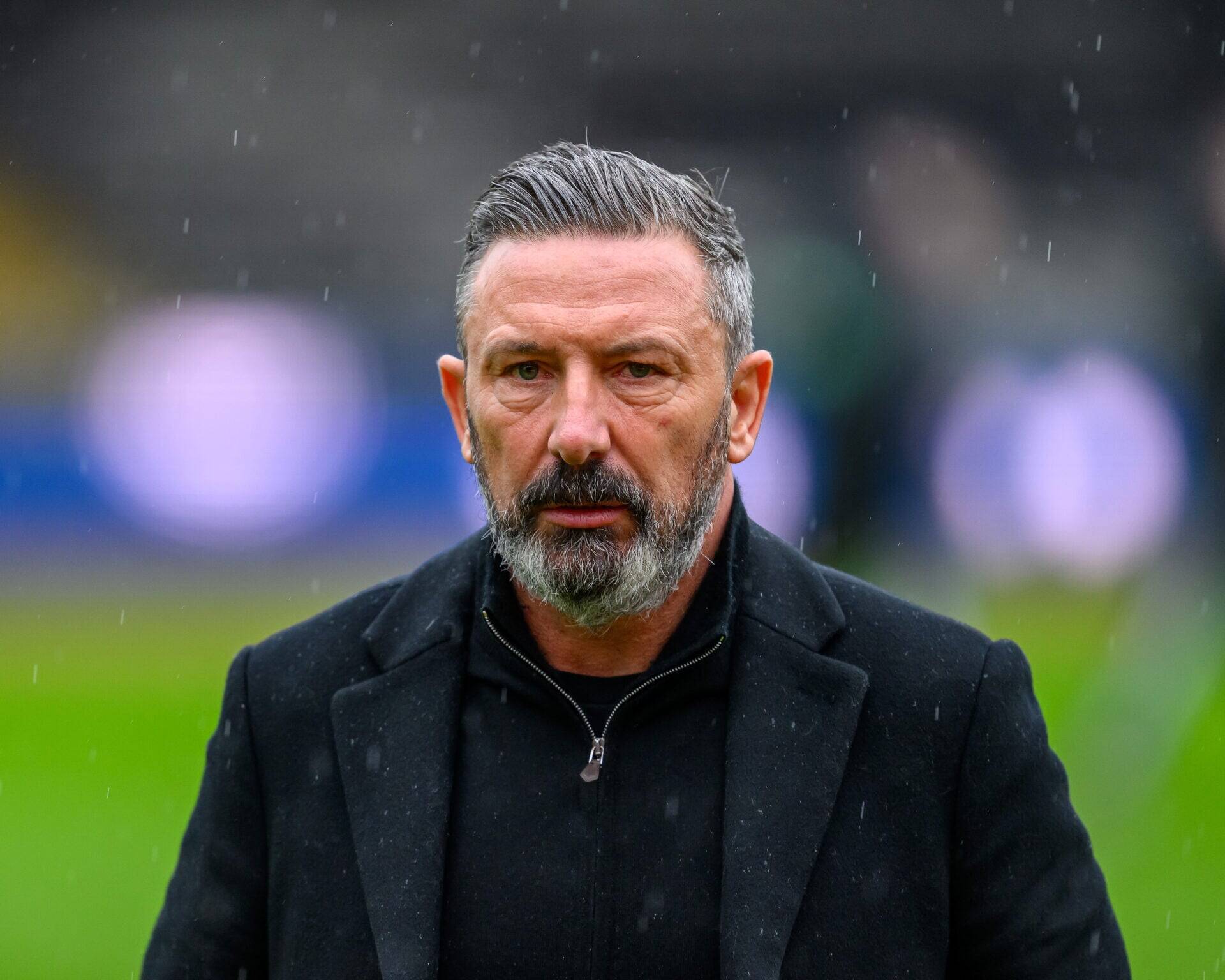
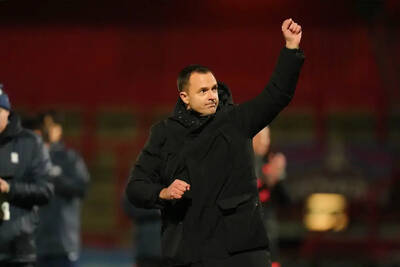
Then there is Derek McInnes. Many Celtic supporters have not forgotten the comments he made after Celtic were awarded a late penalty against Motherwell FC – comments widely viewed by supporters as inflammatory, bitter and designed to stir hostility towards the club rather than analyse football honestly.
What makes that outrage even harder for many supporters to accept is that footage has circulated in the past appearing to show McInnes involved in singing “The Billy Boys” – a chant widely condemned because of its sectarian associations. Celtic supporters therefore question the credibility of moral lectures directed at the club from figures who themselves have faced criticism over behaviour and conduct.
For supporters, it reinforces a wider frustration: Celtic are relentlessly scrutinised while behaviour, comments and controversies elsewhere are routinely downplayed, excused or quickly forgotten.
Again, the double standard is impossible to ignore.
Then the familiar media chorus arrived: Tom English, Hugh Keevins, Keith Jackson, Andy Halliday – all contributing to the same atmosphere of accusation, distortion and selective outrage.
Not scrutiny. Not balance. Not journalism.
Narrative management.
And from south of the border, figures like Gary Lineker and Simon Jordan predictably parachuted into Scottish football discourse with strong opinions despite demonstrating little understanding of the culture, rivalry or reality of the Scottish game.
For many English pundits, Scottish football only becomes relevant when Celtic can be framed as controversial.
That is the double standard Celtic supporters are exhausted by.
There has been almost no serious praise for the football itself. No recognition of the consistency required to win another title. No acknowledgment of the pressure, expectation and scrutiny Celtic operate under every single season.
Only outrage. Only lectures. Only attempts to diminish achievement.
And supporters can see the pattern clearly now: when Celtic succeed, the reaction is never simply acceptance. It becomes a campaign to undermine, delegitimise or morally frame that success as problematic.
Yet despite all the noise, Celtic still delivered another title.
The club remains standing. The support remains standing. And the trophies keep arriving.
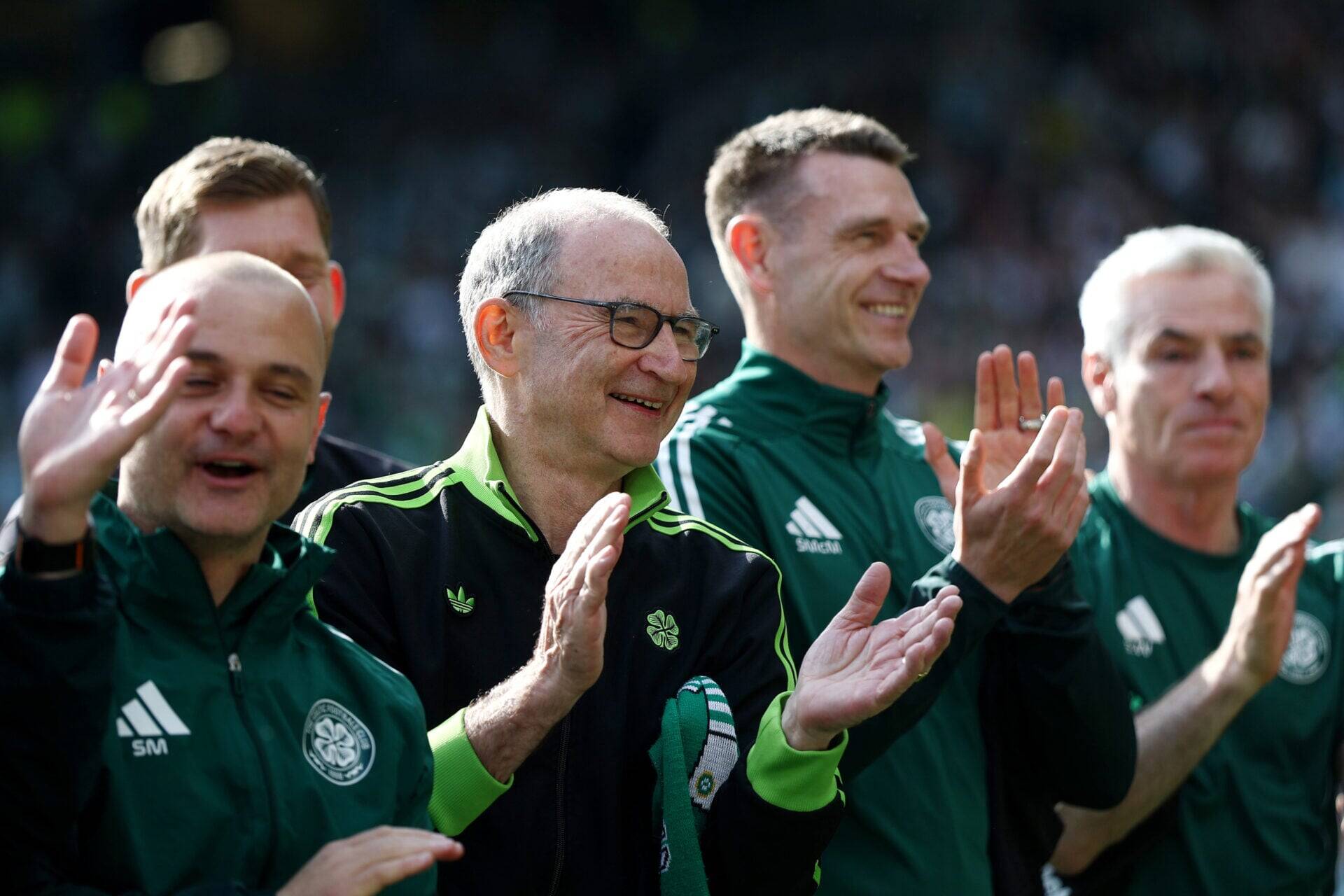
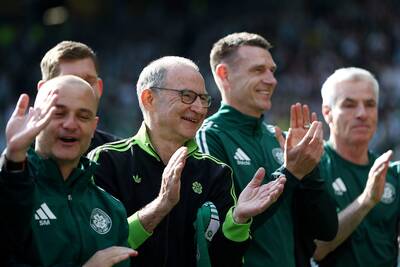
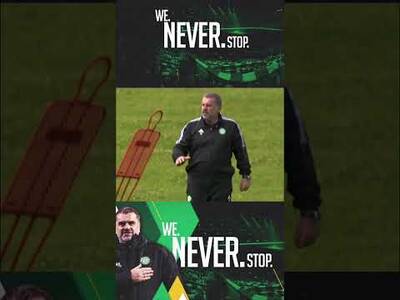
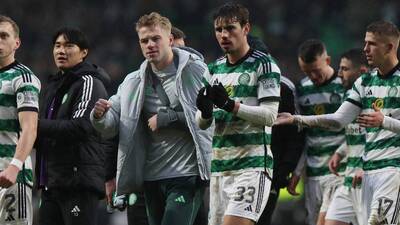
A huge congratulations must go to Martin O’Neill and the team who got it over the line amid relentless noise, scrutiny and hostility.
That is what this season should be remembered for.
Not media tantrums. Not manufactured outrage. Not pundits competing to sound morally offended on television and radio.
Ten days later, Scotland’s football media establishment is still consumed by Celtic because Celtic continue to represent the one thing many of them cannot tolerate: dominance.
Day 10 of the meltdown.
And they still cannot accept Celtic are champions.